
When My Sister’s Brain Injury Changed Us Both
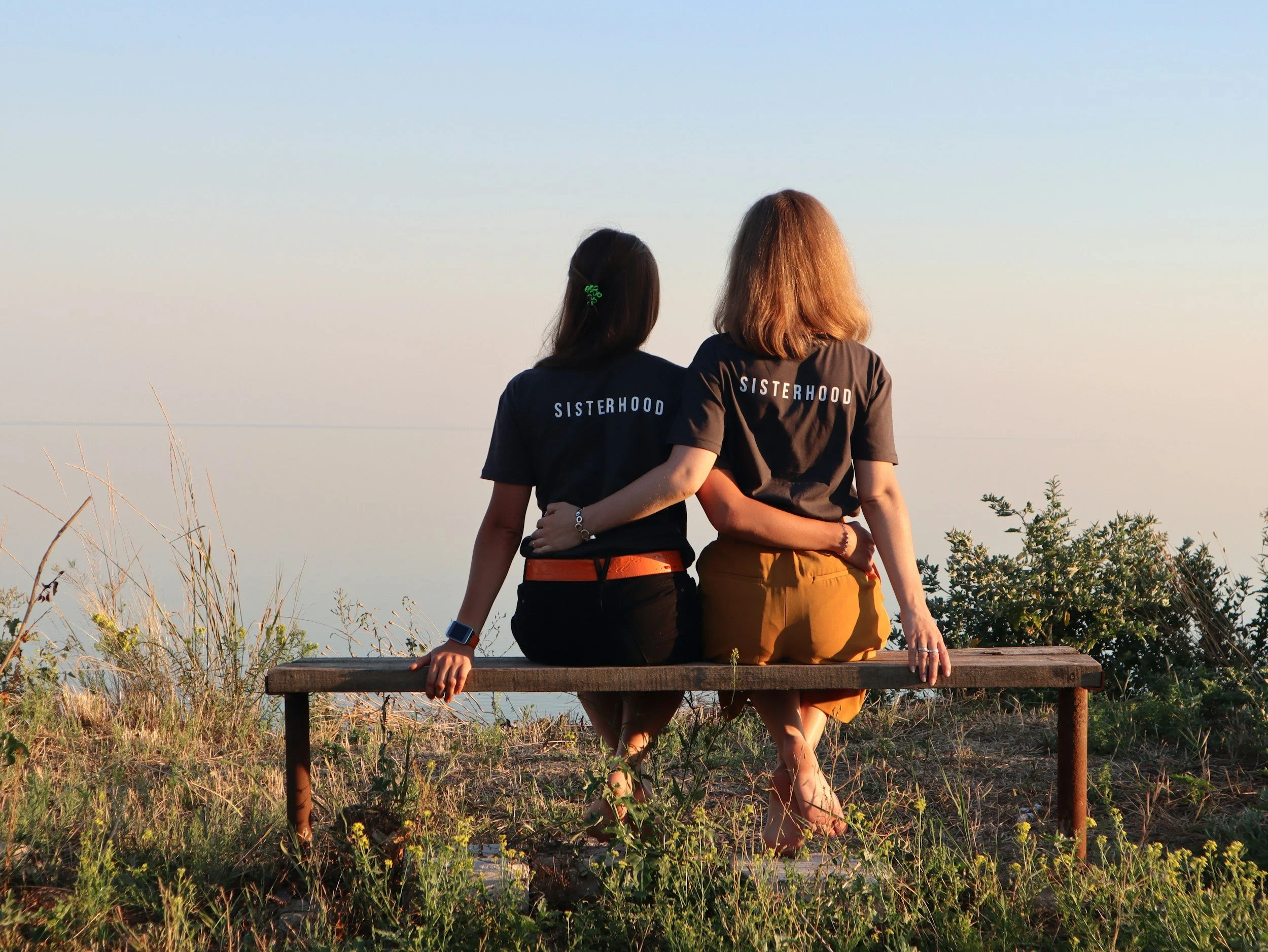
In This Reflection:
Watching a loved one navigate brain injury
The invisible cognitive changes after trauma
Balancing support with dignity
Adjusting family roles after injury
Redefining “normal” together
One year ago, my sister’s life changed in an instant. She was in a head-on collision that left her with serious injuries to her neck, back, and body. But the injury that has been the hardest to understand - and the hardest to accept - has been her brain injury.
My sister is a carpenter by trade. She has always been skilled, precise, and confident in her work. Measurements, angles, quick math calculations - these were second nature to her.
After the accident, she began noticing that even simple things, like reading a measuring tape or solving basic math problems, required intense concentration. What once took seconds now takes strain and effort. For someone whose profession depends on accuracy and mental sharpness, that shift has been incredibly difficult.
She has also lost pieces of her memory. We talk about our childhood and shared experiences that she no longer remembers - even conversations we had not long ago. Some days she searches for words that used to come easily. She now stutters, especially when she feels overwhelmed or needs to communicate quickly.
Watching someone you love struggle to express themselves is heartbreaking.
In the beginning, it was incredibly difficult for both of us. Conversations slowed down. There were pauses where there never used to be pauses. There was frustration - on both sides.
After the accident, I was advised to keep a notebook documenting changes: her physical pain, cognitive challenges, emotional shifts - anything outside her normal baseline - so we could provide clear information to her doctors. I began doing that in the first few weeks. But as her confusion and frustration increased, she struggled to understand why I was writing things down. To her, it felt like something was being taken from her rather than something meant to help her. She asked me to stop. So I did.
That was one of the hardest adjustments for me - learning when to step in and when to step back.
Supporting someone with a brain injury requires patience, flexibility, and humility. It means offering help without taking away dignity.
She was unable to work for seven months after the accident. Financial pressure forced her to return before she was truly ready. And truthfully, she is still not fully healed.
We continue to adjust as a family. We redefine what “normal” looks like now.
At first, she didn’t accept that this might simply be her permanent reality. There was grief in that acceptance when it did come. But through support and love, we continue. We cope together. We adjust together. We celebrate small victories together.
Our story is still being written. It looks different than it once did - but it is still filled with strength and love.
And we keep moving forward.
Written by: Anonymous
-
This season has stretched me in ways I didn’t expect. Supporting my sister through brain injury has reshaped how I understand patience, dignity, and what it truly means to walk alongside someone you love. I’ve had to rethink what support looks like - learning that sometimes stepping back is just as loving as stepping in. Our relationship looks different now, but it is still rooted in love and a shared resilience we continue to build together.
