
Invisible Injury and Self-Advocacy after Brain Injury / Stroke (with Judy Kim Cage)
LISTEN HERE:
or download on your mobile device via your favorite podcast app —
In this episode…
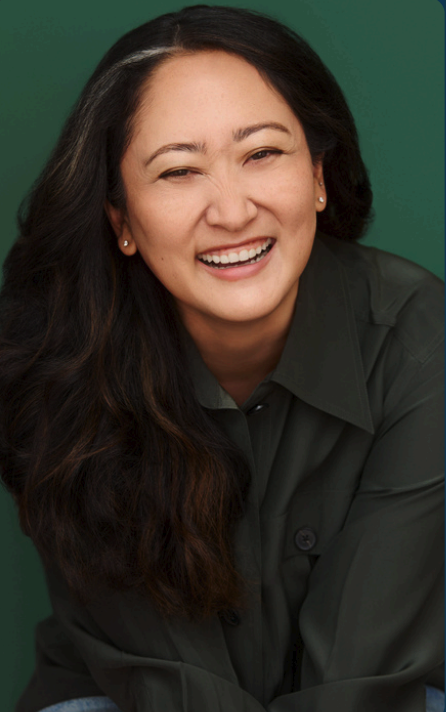
Even when they are not immediately obvious to outsiders, the symptoms of a brain injury are valid and real- yet it can be so frustrating to feel misunderstood while navigating these invisible effects. Today, we’re discussing the reality of living with an invisible injury with Judy Kim Cage, who has experienced a hemorrhagic stroke and brain surgeries due to MoyaMoya, and also lives with hypermobile EDS.
We also feature a spotlight with Dr. Ryan Harvey from The Functional Neurology Center to explore the science behind what is happening in the brain when symptoms aren't visible. There are very real neurological reasons for these challenges that simply can’t be seen from the outside - and if you can relate, you’re not alone!
🧠In this episode:
The neurological side of invisible brain injury symptoms
A real life story of surviving a stroke & brain surgeries
Examples of invisible effects in daily life
The tension of holding hope while also having hard days
Why self-advocacy is so important
Meet Our Guest
Judy Kim Cage
At 39 years old, Judy never expected to have a life-threatening stroke. Even after suffering TIAs since the age of four and undergoing two brain surgeries to “cure” a rare brain disease (Moyamoya) finally diagnosed at 29. These were only minor roadblocks; She was like any other independent, ambitious compliance professional and MBA. She’d reached a career high before her body insisted to break.
Judy’s story is uniquely inspiring: a rare survivor who beat staggering odds and now serves as a mentor and advocate. She offers a fresh perspective on disability, recovery, and redefining personal success beyond physical appearances.
In 2019, Judy suffered a massive hemorrhagic stroke, losing the use and recognition of her left side, the ability to walk, dress, see and speak normally, work, and drive. Against mind-blowing odds (Moyamoya is still one in a million. 50% of hemorrhagic strokes result in death after four weeks - with a five-year survival rate of 26.7%) and the later discovery of yet another rare disease (hypermobile Ehlers-Danlos Syndrome (hEDS - one in 5,000), she was walking in two months and returned to work - and air travel - in six. After regaining full-time status five years later, she was promoted. Yet most people are none the wiser. Her book, SUPERSURVIVOR, shares her story and lessons on overcoming trauma and redefining success.
IG: @judykimcagetheauthorpage
Thank you to The Functional Neurology Center for sponsoring this podcast - The FNC offers personalized neuro-recovery programs for anyone going through brain injury and a wide range of neurological conditions. Learn more: thefnc.com
This podcast is for education and informational purposes only, and not intended for medical advice. If you need specific medical advice, please consult your physician.
