
Communication Strategies to Increase Connection after Brain Injury (with Roberta Brooks, CCC-SLP)
LISTEN HERE:
or download on your mobile device via your favorite podcast app —
In this episode…
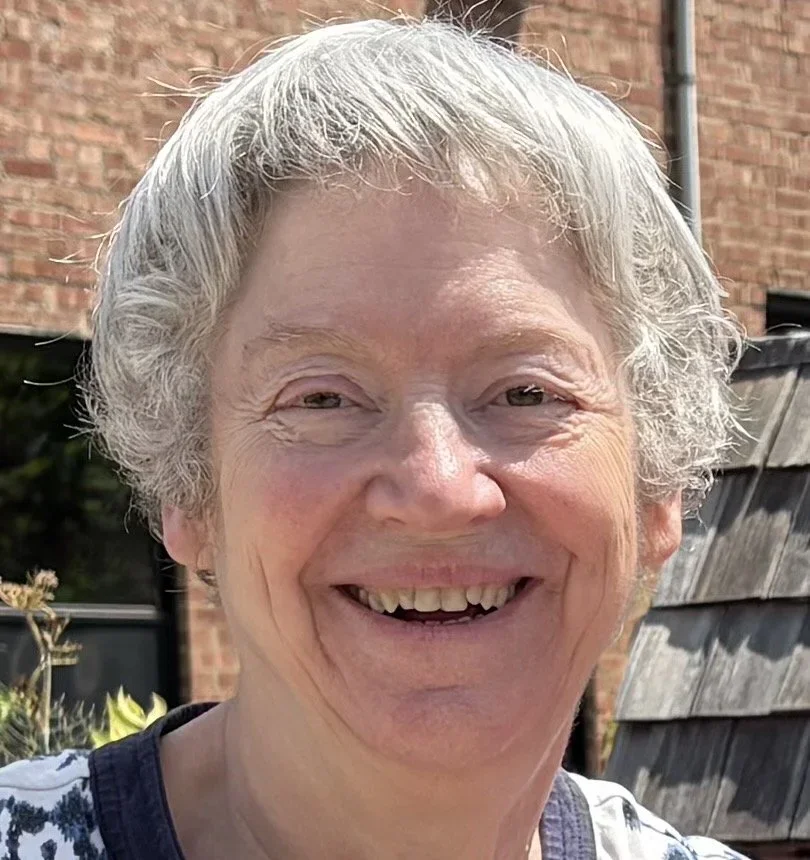
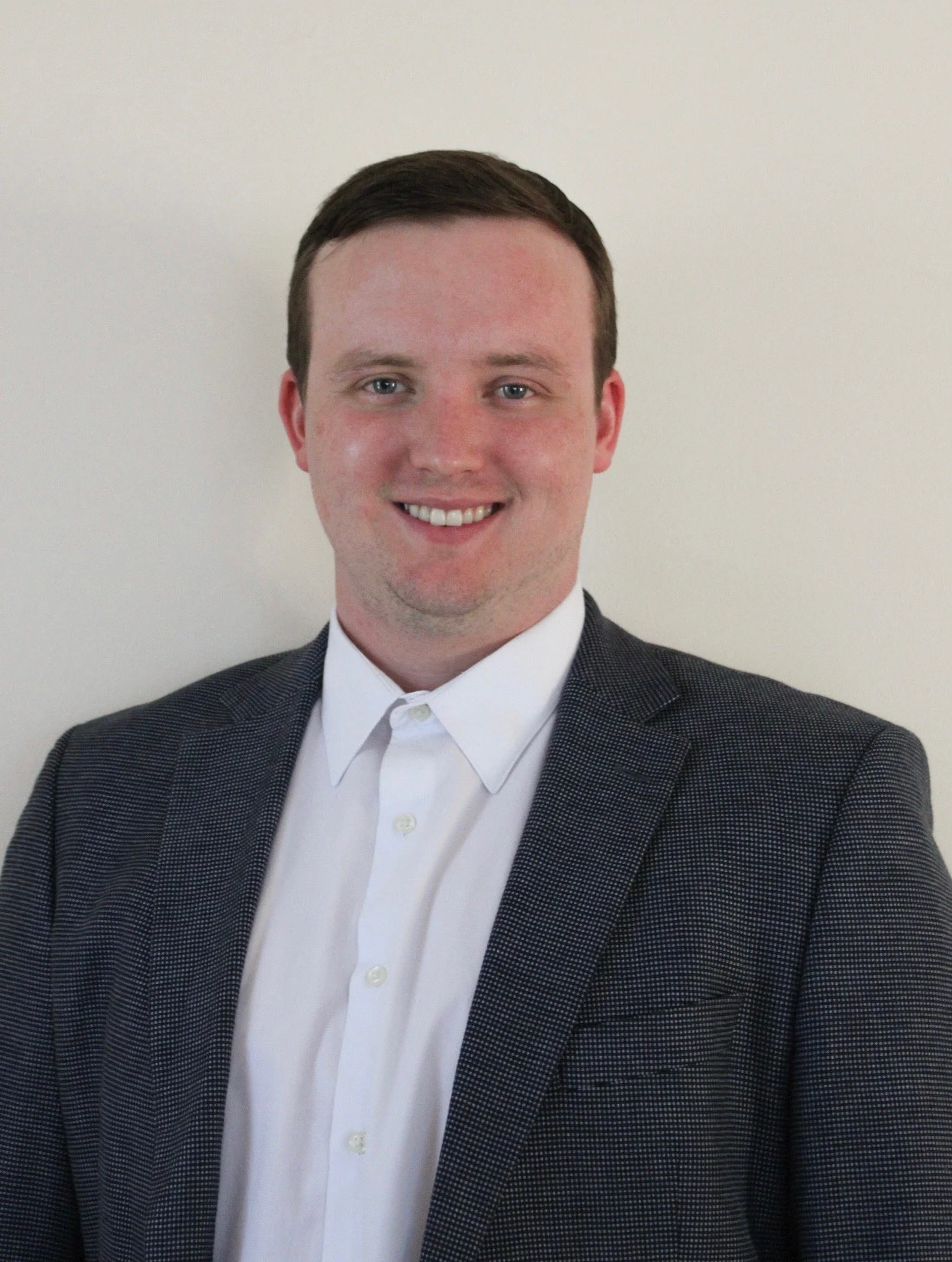
Navigating conversation after a brain injury can often feel like a series of constant roadblocks, but rebuilding connection starts with understanding the "why" behind these challenges. In this episode, we sit down with Roberta Brooks (M.A. CCC/SLP (ret), CBIS), a neuro resource facilitator and retired speech-language pathologist who has spent her entire career spanning 40 years in the field of brain injury. This episode explores the complexities of communication that can happen with brain injury, along with encouragement and strategies to help you have better conversations - both for the person with the injury and their loved ones.
We also feature a special spotlight with Dr. Ryan Harvey from The Functional Neurology Center on understanding how to communicate about your brain injury, including some tips to effectively communicate your needs to your medical providers.
🧠In this episode:
Understanding communication breakdown after brain injury
How symptoms can affect communication in subtle ways
Ways to help with expressing your needs clearly with an injury
Practical ways that conversation partners can engage in connection with the person with brain injury
The role of emotional regulation in daily communication
Meet Our Guest
Roberta Brooks, M.A. CCC-SLP (ret), CBIS
Roberta Brooks is a retired speech-language pathologist and current certified brain injury specialists with over 40 years of experience in the evaluation and treatment of adults with communication challenges resulting from acquired brain injury.
Her work has spanned the full range of health care from acute care to community re-entry programs. She has presented at national, state and local conferences on the topics of the evaluation and treatment of aphasia and cognitive communication disorders. Since retiring from her full-time work as a speech-language pathologist, she has continued her involvement through her work with the NeuroResource Facilitation Program of the Brain Injury Association of PA and as a supporter of several grassroots organizations. Roberta infuses her work with her lifelong interests in music, theater and the nature of language and communication.
Thank you to The Functional Neurology Center for sponsoring this podcast - The FNC offers personalized neuro-recovery programs for anyone going through brain injury and a wide range of neurological conditions. Learn more: thefnc.com
This podcast is for education and informational purposes only, and not intended for medical advice. If you need specific medical advice, please consult your physician.
