Starting with Discouragement and Ending Up with Hope
In This Reflection:
The gradual realization of what a stroke had taken - and what it could not take away
Living with the shifting balance between discouragement and hope during recovery
Discovering that faith, identity, and the truths held in the heart can survive a brain injury
Choosing hope while accepting that some parts of recovery remain uncertain
One of the advantages of having a stroke is that you can see the individual parts of your life as they sit, broken away from the whole. One of the disadvantages is figuring out how to put the pieces together again. Yeah, that too.
This story is about one of the advantages - something I discovered while the pieces were broken apart. To see your spirit, to see the foundation of your life distinct from the whole, is a gift.
I don’t know if it is common, but it took me months - maybe even years - to realize what I had lost. And I’m thankful for that. Dealing with everything I had lost all at once would have been devastating, but dealing with it in stages sort of worked. Obviously, dealing with loss is discouraging even in small doses, but dealing with it all at once would have been much harder. Discouragement upon discouragement upon discouragement would really tip the scale - the scale between hope and discouragement.
If you’re wondering, five years ago I had a massive stroke that affected my right side and damaged my ability to read, write, and talk. But this story isn’t about my stroke. It is about what happened in the aftermath.
After one week in the hospital, I was waiting for a bed to open at the local rehabilitation hospital. That morning, a nurse told me they were releasing me - not to the rehabilitation hospital, but home.
Home?
During my week in the hospital, I had gotten out of bed once with a therapist. With his help, I walked the hall. There was a sign in my room telling anyone who saw me, “Fall risk.” But the nurse told me to go ahead and get dressed in the bathroom.
“Without help?” I asked.
“Yes,” she responded.
It was sort of surreal. As I think about it now, the doctors must have been encouraged enough by my recovery to send me home. They just neglected to tell me how well I was doing. Well, maybe they did, but it didn’t register in what was left of my brain.
An hour later, my wife was there to greet me. And then I was home. In my mind, anyway, I had been left to figure out my new life.
As I adjusted to my new living arrangement - with some accoutrements my wife had ready for me, including a shower chair and walker - I quickly realized that although my right side was numb, it still worked pretty well. It turned out I didn’t need a walker, and I could shower without sitting down. That day, hope started to appear.
At the same time, my son Bryan and my daughter Holly gave me an iPad with some therapy apps. The first app focused on naming pictures of common things: an airplane, a toaster, and so on. The first picture that appeared was an elephant.
How easy is that? I thought.
But all that came from my mouth was, “Uh, uh, uh.”
That day, I realized that although I knew what an elephant was, I couldn’t name it. The word “elephant” didn’t appear in my brain. It was gone. The next picture caused the same response. Then the one after that. I realized all the words were gone.
Welcome to aphasia.
The day hope blossomed was also the day discouragement started to appear. Geez, the scale between hope and discouragement became clear.
The app on my iPad would randomly run through a list of pictures, and I would try to name them. Of the 30 pictures that appeared, I could name five or six. I worked on that every day for several weeks, but 20 percent right was all I could do. (One thing I lost was my grasp of numbers, so I’m checking my math: six right answers divided by 30 pictures equals 20 percent. Nailed it.)
Then, one morning, out of the blue, I went from 20 percent right to 80 percent right.
Wow. Discouragement wrapped in hope.
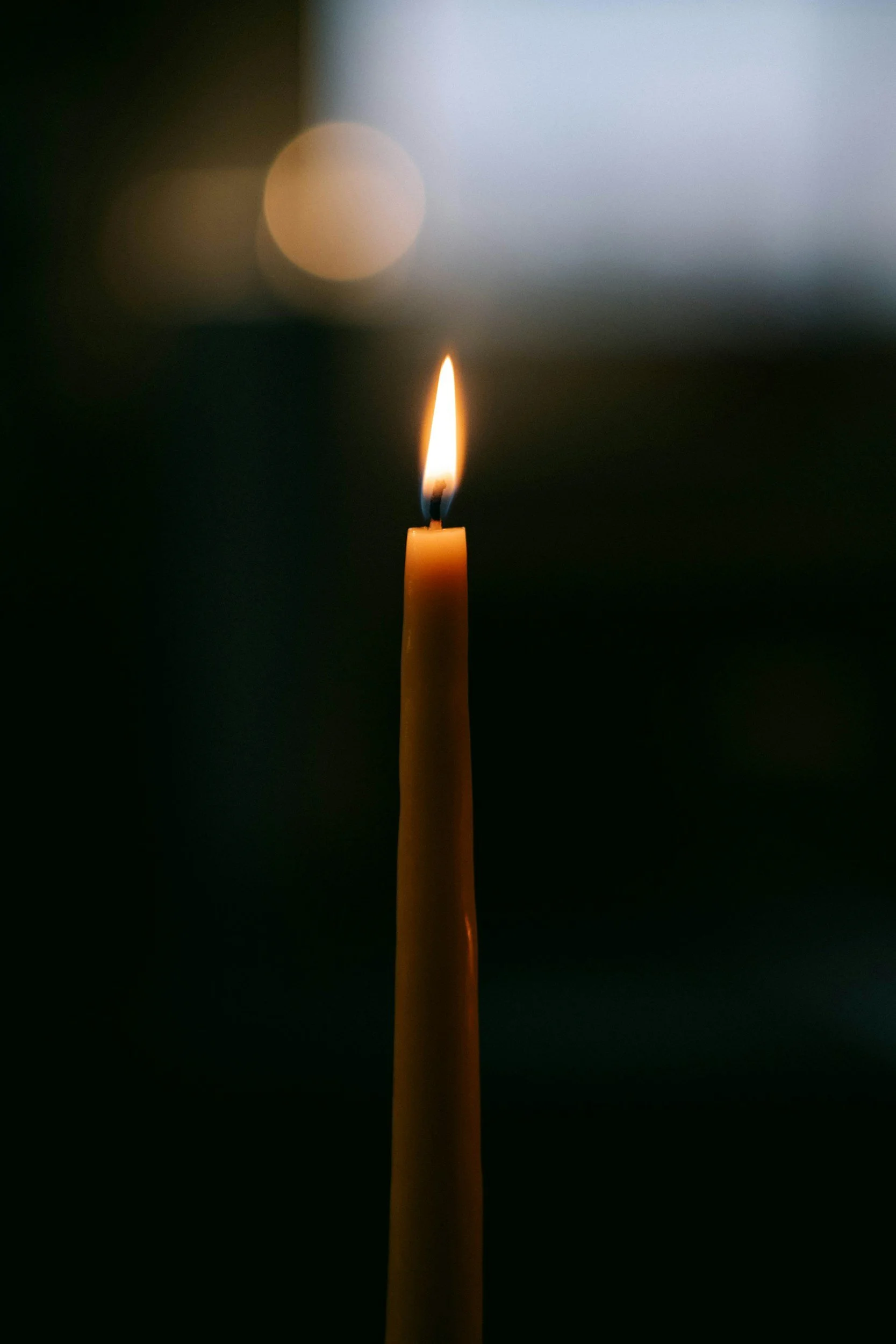
The next day, I was back to 20 percent, but it didn’t matter. Progress was possible. While I was in a dark place, that progress lit a candle called hope.
Hope is a powerful thing. The discouragements that came afterward were somehow always accompanied by hope. Without hope, with hope - what a difference.
There was a lot of discouragement and a lot of hope in the aftermath of my stroke, tipping the scale back and forth as I desperately tried to find some balance. It was a wild ride that first year.
Right in the middle of that year, I realized I had lost something important to me. But as I thought about what I had lost, I also realized what I still had. I wasn’t discouraged; I was filled with hope.
I guess this is the preamble. Here is the story about what I had lost. It was also my first attempt at writing anything longer than a couple of sentences.
This was written six months after the stroke and posted on Facebook in August 2021.
“I have hidden your word in my heart that I might not sin against you.”
—Psalm 119:11
I discovered something discouraging this week. It happened as I was thinking about a verse in the Bible - a verse many people know, John 3:16. It was a verse I had memorized as a kid. I imagine many of you memorized it as well.
I discovered that I didn’t know it.
That verse I had known by heart was gone, along with all the other verses I had memorized over the past 55 years. I don’t know why it took me so long to realize what I had lost.
Yeah, something discouraging.
But as I thought about it, I realized that the verses I “knew by heart” were still there—in my heart. They are hidden there. Maybe hidden from my mind, but still there in my heart.
That is profound.
I have a heart. I’m not talking about the one that beats, but the place where God’s Word lives.
As I pondered that, I was encouraged. I thought of another verse. Actually, I didn’t “think” about it. I didn’t remember the words or even what it was about. But somehow, I just knew it was important.
The verse had been written on an index card that I taped to the bottom of my computer monitor. That card sat there for five years, but it was no longer there. I couldn’t read the card, but I could sort of picture it, and I saw one word: “Proverbs.”
Since I underline things in the Bible, I figured it might be underlined.
And it was.
“Above all else, guard your heart, for it is the wellspring of life.”
—Proverbs 4:23
The mind is a remarkable thing. My mind is working on everything that was damaged by the stroke, discovering ways to reconnect what was broken. That is why I can talk—because my mind reconnected things.
My right hand was numb. Today, I have some feeling in it. My mind is on it. I hope that keeps happening, and I really hope those memorized verses come back.
Regardless of what happens, I have a heart. It is the place where God’s Word lives. It is a place where words recorded in Scripture can hide. More than that, it is the place where God can speak to me.
And He is doing that, there in my heart.
It is the wellspring of life.
I realize I’m talking about spiritual things - things that are hard to define with scientific words and even hard to consider within our rational, scientific worldview. But whatever you want to call it - my soul, my “heart,” my spirit - that is where my hope resides.
It is there in my spirit, and my spirit wasn’t affected by my stroke.
It would make sense to be discouraged by all those hours, over all those years, spent memorizing verses from the Bible. Was it all for nothing?
But it wasn’t.
Rather than being discouraged, I am thankful for all the verses I hid in my heart. Although my brain can’t recall them, their truths are still there. When I was young, they became the foundation of my life. Now that I’m old and sort of broken, they are still the foundation of my life.
Foundations are so important, especially when you are sort of broken.
The foundation of my life is where the pieces of my life still live. And it is secure. My stroke didn’t touch it. The foundation of my life and my spirit survived my stroke unscathed.
Identity is something everyone who has a brain injury grapples with. On one hand, my identity changed drastically. But really, my true identity didn’t change at all.
While I was still in the hospital, I realized right away that my “me” was intact. I was the same guy inside—the same guy living with a broken brain. Somehow, my “me” hadn’t changed.
I started to realize that my “me” didn’t reside in my brain. It was based on something else, something different from my body and brain. I believe it resides in my spirit, the part of me that will live on even when my body and brain die.
So, my hope comes from my spirit. My hope comes from my earthly body, too. The way the body was created to respond to trauma is amazing. It is always trying to fix what is broken. Five years later, that is why I can walk, read, and talk. I can work on projects. I can drive. If I had to, I could live on my own.
Hmm, maybe?
The problem is that this is sort of hit or miss, because my body is also where the discouragement comes from.
The day I tried to remember the verse that had been taped to my monitor, I was encouraged. I realized how important that verse was and how much I needed to guard my heart. I desperately needed to guard it against the discouragements that were there. If I didn’t, they would add up and pile on.
I had a decision to make - a choice between discouragement and hope. That decision is still there. Every day, even every hour, I need to choose to live in a place of hope.
There has been a lot of discouragement in my recovery journey, and there has been a lot of hope. As I look back on the early days, I’m so thankful for the hope that came. It motivated me to push through the discouragement and carry on.
Looking back, hope has turned into results. It has turned into progress.
Looking forward, we will see. Hope is still hope. I realize wishful thinking isn’t a magic wand. Some things will likely remain broken.
But some of them won’t.
Every day, I will try to choose hope, because the hope I have will overcome the discouragement that is there.
Written by: Karl Hostetler
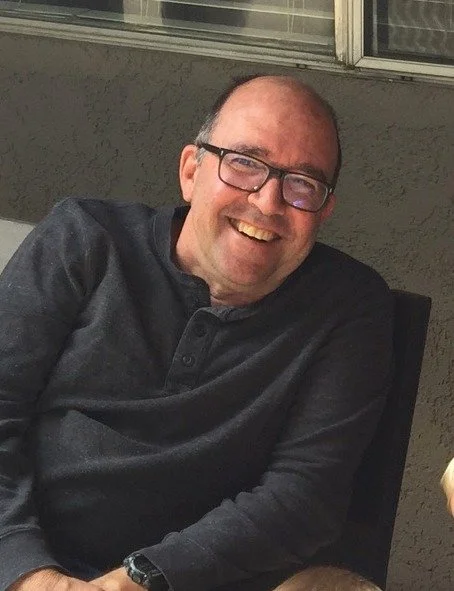
Person living with a brain injury
-
I realize now (5 years post stroke) my hope resides in my spirit, and my spirit wasn't affected by my stroke.