
Fighting for Global Brain Injury Recognition - The New TBI Resolution for the World Health Organization (with Paul Dubetz)
LISTEN HERE:
or download on your mobile device via your favorite podcast app —
In this episode…
Traumatic Brain Injury (TBI) is one of the leading causes of death and disability globally, yet it has never received distinct, individualized attention from the world’s largest health policy bodies. For years, TBI has been treated as a "footnote" in broader neurological discussions, but that is about to change.
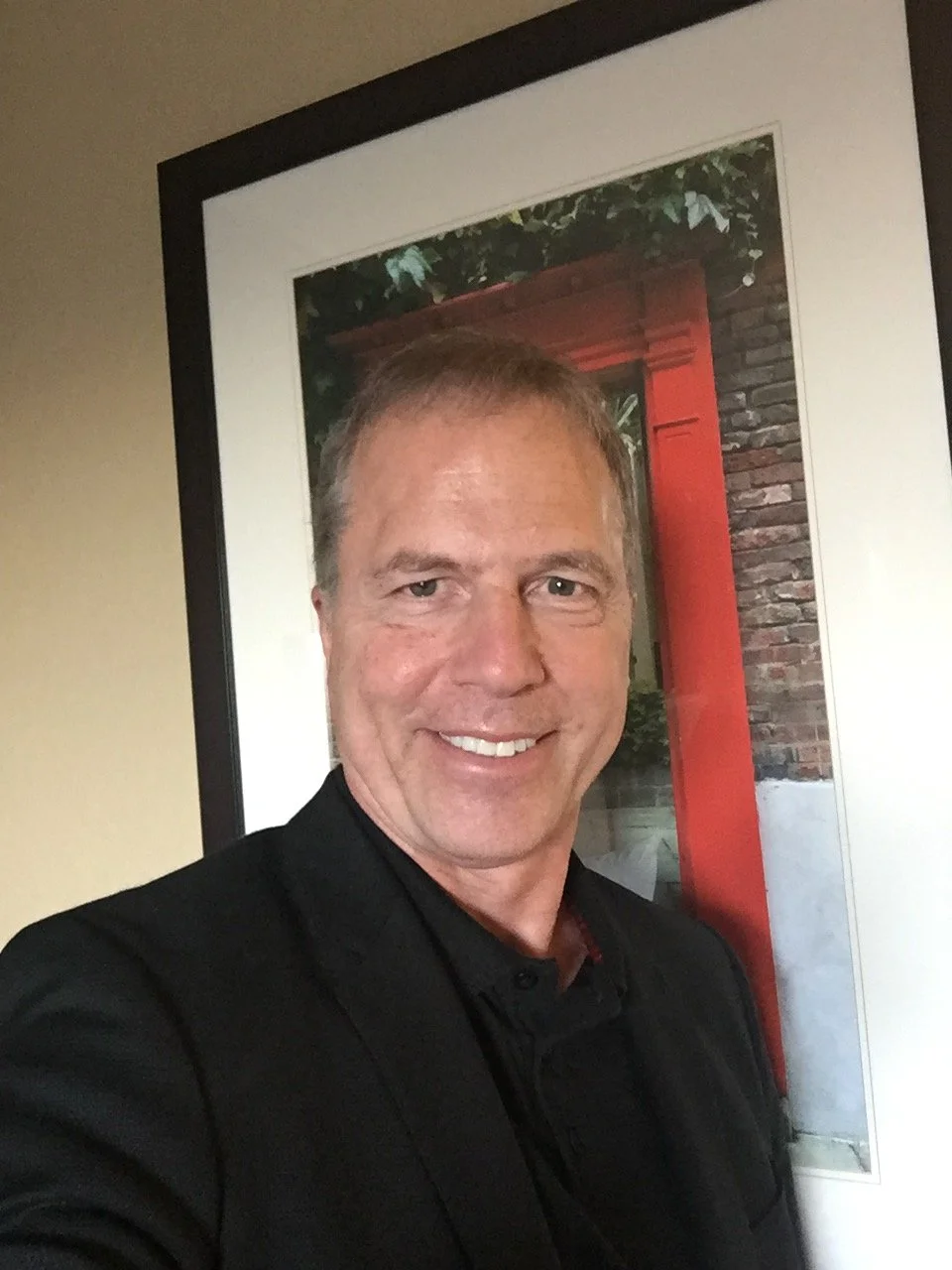
In this episode, our host Cristabelle is joined by Paul Dubetz, whose lived experience with traumatic brain injury eventually led to working with a global coalition to bring a historic resolution before the World Health Organization (WHO). Paul also shares his story of survival after a catastrophic accident in Italy, and explains why reclassifying brain injury as a chronic condition is the key to unlocking global standards of care.
🌏This conversation arrives at a pivotal moment as the 79th World Health Assembly convenes in Geneva, Switzerland, this May 2026. As the supreme decision-making body of the WHO, this Assembly has the power to approve programs and set the international health policies that will define the future of neurological care. Paul is part of leading a critical effort at a side event during the Assembly, where a panel of individuals with lived experience will advocate directly to member states to ensure that TBI is officially recognized as a chronic and notifiable condition on the world stage in 2027.
🧠 In this episode:
Why the World Health Organization is the essential vehicle for setting international health policies for TBI.
Paul’s personal account of a severe TBI and the advanced neurosurgeries that saved his life in Milan.
Understanding how labeling TBI as a "chronic and notifiable condition" will allow member states to implement long-term surveillance and treatment.
A glimpse into the legislative process behind the World Health Assembly and the target for adoption in 2027.
Takeaways
TBI has historically lacked a distinct identity within the WHO, often appearing only as a cause of other conditions like epilepsy.
Recognizing TBI as a "chronic" condition acknowledges that the journey for individuals and families navigating brain injury can last a lifetime.
International cooperation is required to address the massive gap in brain injury care between high-income and low-to-middle-income countries.
People with lived experience are the most effective advocates for connecting with health policy representatives.
There is major hope for the future of global TBI care as more nations join the movement for recognition.
Meet Our Guest
Paul T. Dubetz
Paul started his working career with Mobil Oil Corporation as a petroleum engineer in the United States. Since that time he has worked in various technical, financial and managerial capacities for Mobil and ExxonMobil in Exploration and Production, Supply and Trading, Corporate Finance, and Gas and Power Marketing. During his 34 years of service, Paul and his family lived and worked throughout the U.S., and in London, Singapore, Indonesia, Qatar, Italy, and most recently Iraq.
Following his retirement from ExxonMobil, Paul was appointed as an adjunct assistant professor in the Department of Chemical and Biomolecular Engineering at the Ohio State University to support the introduction of petroleum engineering to the curriculum. He designed and teaches a class covering project evaluation, with attention given to the international nature of the energy industry and managing uncertainty.
Paul incurred a Traumatic Brain Injury (TBI) in 2010 while living and working in Italy. As a survivor, he became active in presenting his case and advocating for attention and action on TBI. Paul has joined Brain Injury Association of America and linked with a global coalition to progress the adoption of a resolution by the World Health Organization recognizing TBI as a notifiable and chronic condition.
In addition to his organizational responsibilities, Paul has a strong link to community and public service. He has served as Mobil Oil Corporation lead representative for fundraising with United Way in New Orleans, President of the Board of Trustees for the American School of Milan, Italy, and Chairman of the management committee for Boy Scouts of America in Milan.
Thank you to The Functional Neurology Center for sponsoring this podcast - The FNC offers personalized neuro-recovery programs for anyone going through brain injury and a wide range of neurological conditions. Learn more: thefnc.com
This podcast is for education and informational purposes only, and not intended for medical advice. If you need specific medical advice, please consult your physician.
