
In This Reflection:
What it feels like to live with unpredictable symptoms as a young adult
The loneliness that can surface when your body doesn’t cooperate
The power of one person sitting beside you
Taking one small next step when everything feels out of control
How suffering can shape deeper community and compassion
I sat at home on the couch, my body shaking involuntarily, like I was outside in a snowstorm, but instead it was a mild, fall night. There’s nothing I can do. Those words from the doctor haunted me and replayed in my mind.
Dark shadows clung to the walls where the room’s light bounced off the curtains and furniture. I stared at the piano and the vacant bench across from me. I couldn’t even get my body to cooperate long enough to run my fingers through a song. Everyone else was enjoying their evening, hanging out with friends, shopping, or doing homework, and I was on the couch, fighting my body. Trying to get it to submit to me. Me trying to submit to me. That’s quite the concept.
In half an hour, I was supposed to be headed to physical therapy. The last place I wanted to be as a college student when I should have been on campus making memories with my friends.
How did I get here? I was left grappling with a reality I didn’t consent to, and there appeared to be no reversal.
The sofa cushion sank next to me, and I turned to my sister. Everything would be okay. What did I need right now? I’m sorry this is happening. Her gaze communicated what she didn’t put into words right away. With a timid smile, she rubbed my shoulder, and the next several minutes blurred into conversation. Our nights often ended this way, where she would stake her claim next to me and we’d share about our day, giggle, dream, pray, or simply sit in silence. “Just remember, you have a diagnosis. You know what’s happening with your body now,” she’d say. These words of assurance soothed my heart, and empowered me. I might not be able to control the symptoms, but I knew they would eventually break and give way to reprieve, no matter how brief.
Living with orthostatic intolerance, a form of dysautonomia, has proved to be an unpredictable road. And the symptoms only continued to manifest years after a possible undiagnosed concussion. Even though living my life became intertwined with my symptoms, my sister taught me two things that dysautonomia couldn’t take from me.
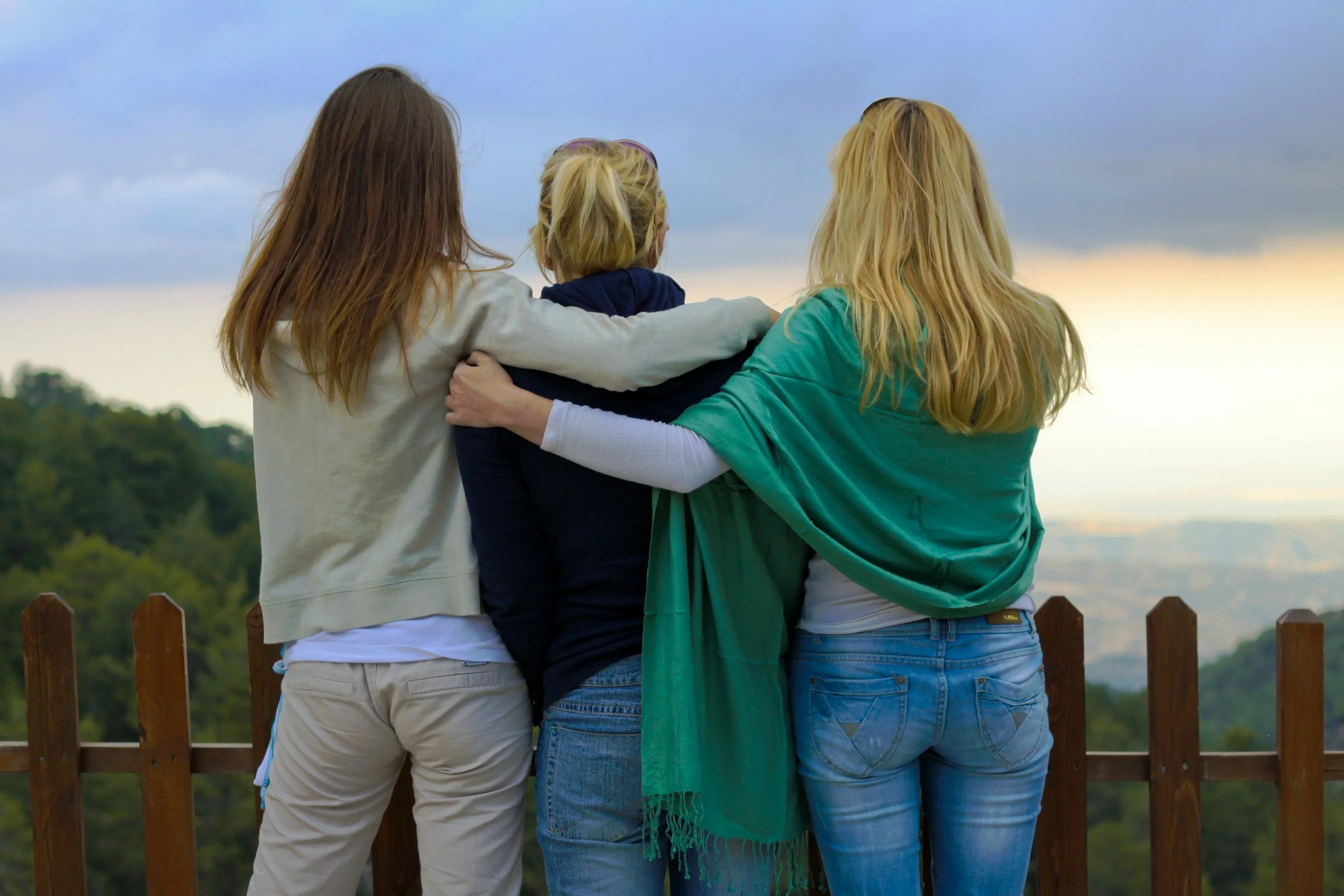
I was not alone. Even when my body prevented me from participating in activities, I had people in my corner who would call me. Sit with me. Cry with me. And laugh with me.
I could also take one step toward the next thing. Whether that was talking with someone to distract my mind, laying down and listening to music while deep breathing, or even adding salt to my water to keep my electrolytes balanced, there was always something I could do, no matter how small it appeared to others.
Little did I know these wilderness moments were the building blocks of preparation for a different season. One of my favorites verses in the midst of suffering is 2 Corinthians 1:3 – 4, and it says, “praise be to the God and Father of our Lord Jesus Christ, the Father of compassion and the God of all comfort, who comforts us in all our troubles, so that we can comfort those in any trouble with the comfort we ourselves receive from God.” The Lord comforted me in a parched season by surrounding me with people in my life, and six years later, He would call me to be that support for others when I met a girl who was struggling with debilitating headaches and dysautonomia-like symptoms.
In a moment, I saw a younger me in her. A war was waging in her mind. No signs of abuse were present on the outside. But I saw it in her eyes. In her slumped shoulders. The whisper of her voice. How much longer could she fight?
I knew what I had to do. I gave her a hug and sat down next to her. “What would be helpful for you in this moment?” I asked.
Her response was prayer. So we did. We cried out to the Lord, lamenting the pain of a fallen world and believing for hope. For change for the better.
Fast forward again a few months later, and I met my friend, and founder of Hope Survives, Cristabelle Braden. One of our first days working together, I confided in her that it had been a hard day, because I was dealing with symptoms for a condition I had called POTS. Her eyes lit up, and she told me she also had dysautonomia.
When you walk through the same fire as someone else, there’s a bond that forms, and you quickly discover you have each other’s back. Isn’t that like the goodness of the Lord? He takes the pain of this life and brings good from it.
The Lord is intentional. He knows we’re not meant to bear our burdens alone. He created us for community when He spoke the truth that “it is not good for man to be alone (Genesis 2:18).” He is a good Father who cares for His children.
So whatever your current circumstance is telling you, take a minute to draw a deep breath and see the people around you who love and care for you. And if you’re struggling to find community, pray for God to bring some to you. We might not be able to do anything. But dear friend, there is a God who can do everything.
Written by: Laura Conaway
-
This piece reflects a season when my body felt unpredictable and my world grew smaller than I had planned. What sustained me was not a cure, but community - people willing to sit beside me in the uncertainty. My hope is that if you find yourself in a similar season, you’ll remember you are not alone, and that even one small next step still counts.
Laura Conaway is a bestselling and award-winning author, speaker, and teacher. She writes about faith, resilience, and finding purpose in the midst of trials. Laura lives in Pennsylvania and mentors emerging writers through her online course, A Writer’s Beginner Guide to Storytelling

