
Work by Time, Not by Task
In This Reflection:
What cognitive overload can look like after brain injury
Why multitasking can trigger shutdown
The “work by time, not by task” strategy
Recognizing low-battery warning signs
Building brain breaks into daily life
I had no clue what multitasking felt like as a new survivor. I would mostly think and feel mostly ‘normal’ until my brain just went haywire.
Sometimes ‘haywire’ meant I lay my clothes on the bed after washing up and then get confused about what to put on first. Other times ‘haywire’ meant freezing while trying to figure out where my socks were.
For the record, I’m don’t have trouble matching socks. They have to be matched. Always.
The challenge was forgetting which drawer was my sock drawer. So I kept checking, then I’d lose track of which drawers I already checked. Eventually, we added very obvious labels to each drawer.
Everyone knows what it’s like to go back in the house for something and forget why you left the car. But this was me getting dressed. I was getting frustrated at how many strategies I needed to do something I had never consciously thought about before.
As I alluded to, I ended up with labels on everything, a timer, a good cologne, and a beard routine. I needed an excuse to take so long to get dressed, and ‘smelling good’ would do the trick.
Apparently, the struggle came from doing too many tasks back-to-back without a break. I realized very quickly that my neurospych* had the right tip for me ‘work by time, not by task’. (Pomodoro)
For example, clean dishes and wipe kitchen counters for 10 minutes - not simply ‘clean kitchen’ until it’s done. That can lead to burnout and that is not good for a healing brain.
One day, further into my recovery, my aunt and cousin had come over to visit. She the kind of person who brings something new into your life - cookies she baked or a sewing machine for a creative project. SThat day, she was talking about her cheesecake cookies and how easy it is to make a cream cheese icing etc. She actually brought the ingredients.
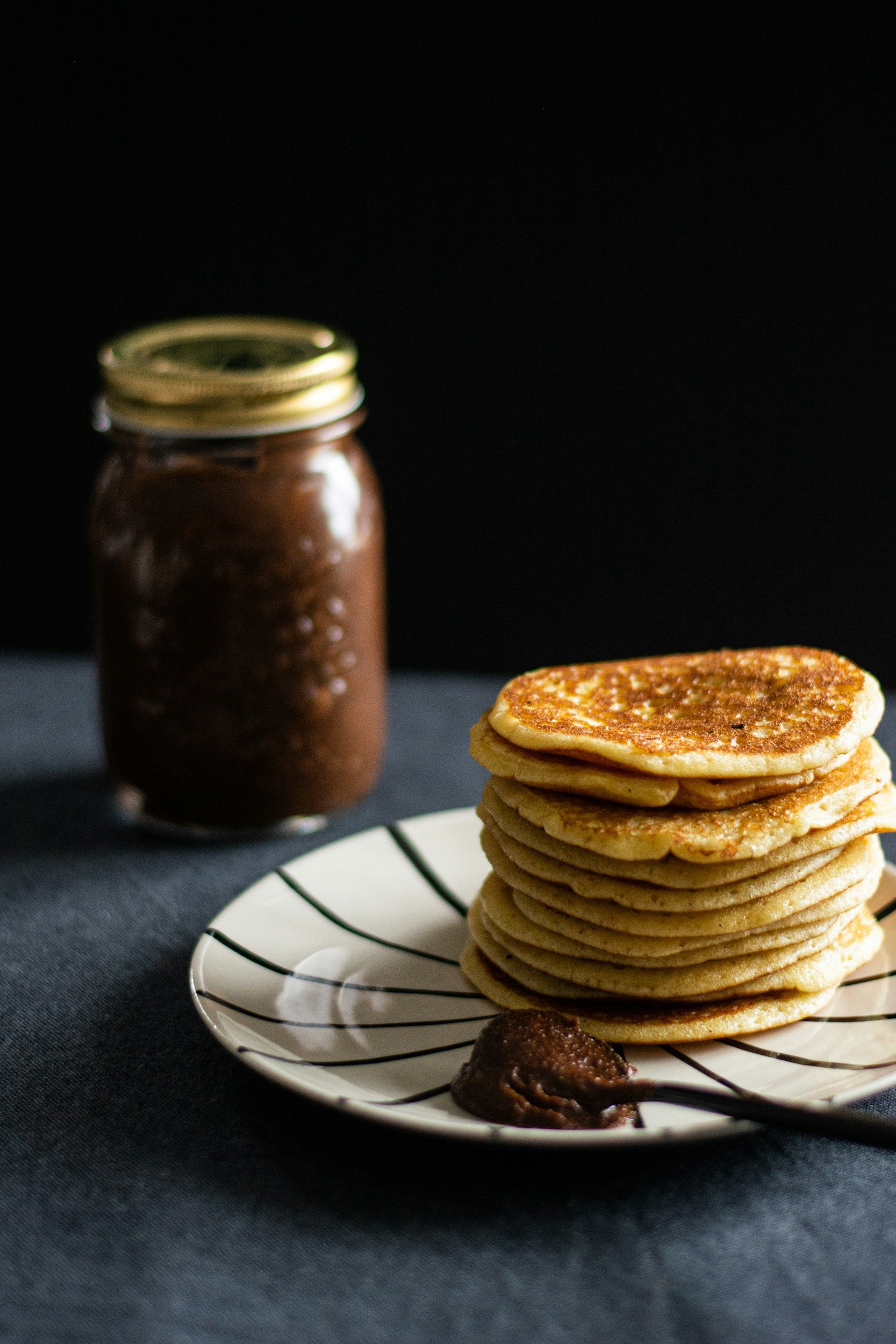
I was inspired, so I jumped up and got moving. These were the first pancakes I made since the injury. The first few were shaped like Brazil, and other pancakes were like dark brown bears. But I regained skill quickly. I added the cream cheese and cut up some strawberries. I promise the plate was gorgeous.
Walking from the kitchen to dining room, I got a little dizzy and almost dropped the pancakes. I made it to the table. They made me sit down. They made my plate. Before anyone poured syrup, I was sleep. Snoring. Leaning to the side sleep.
I think I ended up having my pancakes for dinner.
But I promise you, it took me a while to realize if I tried to pack too many activities into a short time without a brain break, I would power down like a phone that’s been on 1% for too long.
It’s a simple lesson, but it’s not easy to learn when you are used to being busy.
Give yourself Brain Breaks.
Work by time, not by task.
Learn your ‘low power (symptoms) warnings’.
With love & cheer
Written by: Farook Outhmani
Person living with a brain injury
-
I’m still learning to be better me. I’m human, I’m silly. I believe if we can laugh at ourselves, we can accept things AND ‘learn to work with what happens.’ - Bob Ross
