
LISTEN HERE:
or download on your mobile device via your favorite podcast app —
In this episode…
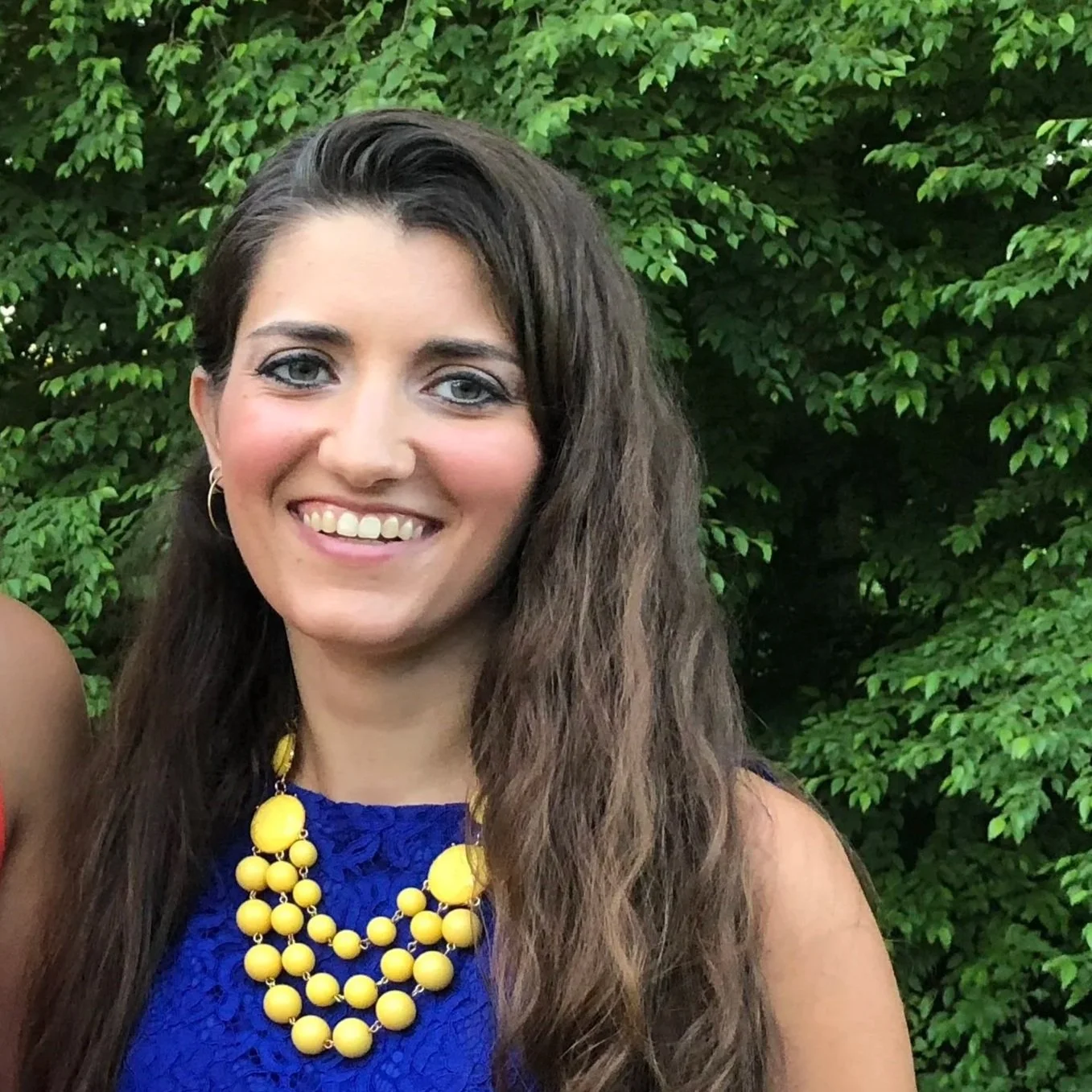
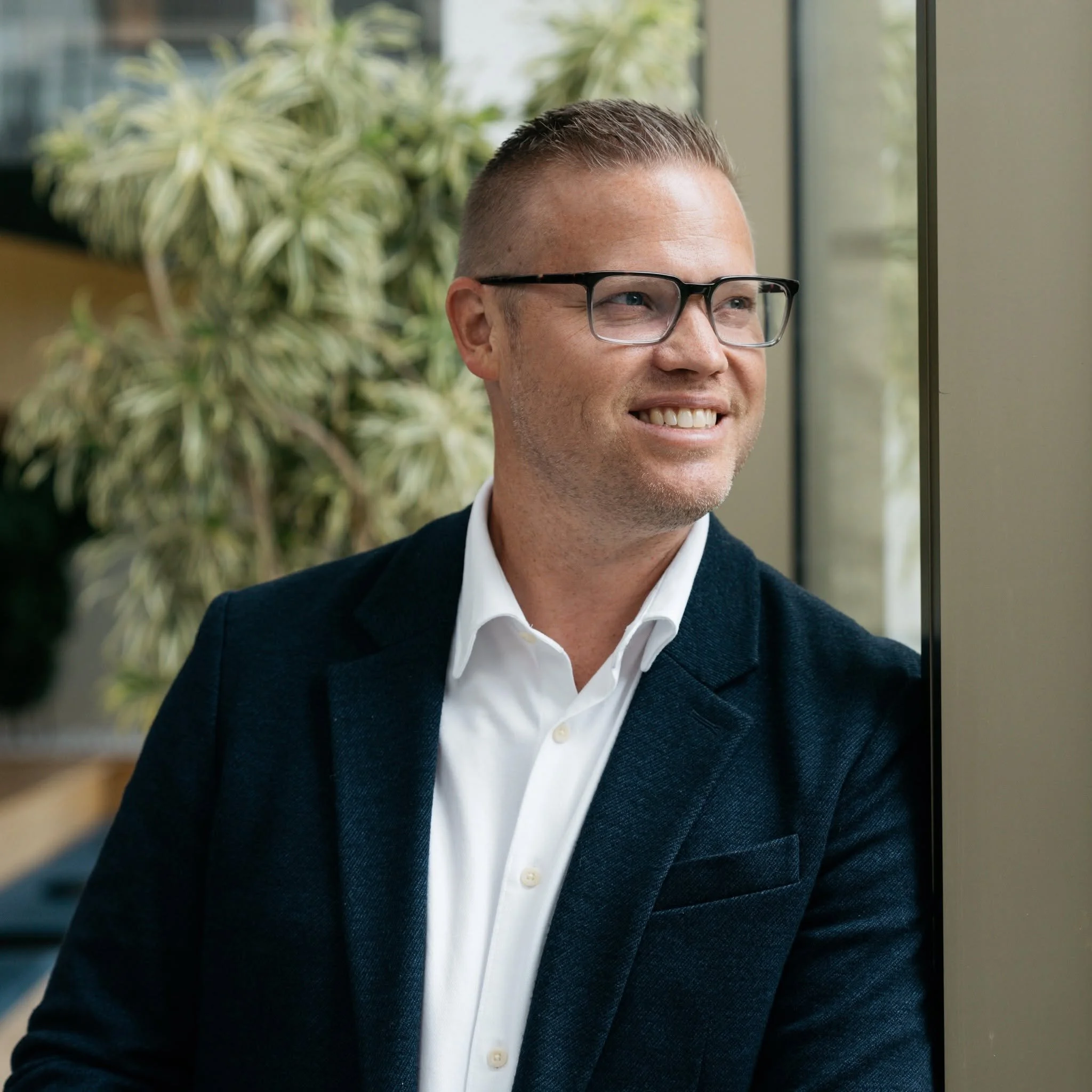

After a concussion, it can be hard to find answers to reduce symptoms, especially when you “look fine” on the outside. Even conventional evaluations can fail to provide clear answers. Today, we are exploring the powerful connection between nutrition and brain function, and how targeted, holistic choices can calm inflammation and put recovery back into your hands.
In this episode, host Cristabelle Braden interviews Chelsea Tuttle, who shares her journey navigating post-concussion syndrome following a car accident and a delayed onset of life-altering symptoms. Chelsea details how discovering persistent neuro-inflammation on her brain scans led her to partner with a nutritionist to trial an anti-inflammatory elimination diet, producing a night-and-day shift in her cognitive clarity, headaches, and physical stamina. We also talk about sensory overload while driving, identifying individual food triggers, and learning to measure progress by celebrating small daily wins rather than fixating on limitations.
🥑 *Click Here to Access Our FREE Downloadable Resources on Brain Nutrition
This week’s spotlight with Dr. Jeremy Schmoe from The Functional Neurology Center is on movement and nutrition in neuro-recovery. Dr. Schmoe explains how intentional movement activates cerebellar, basal ganglia, and frontal lobe pathways, how targeted therapies can engage neural circuits when movement is restricted from injury, and why adopting a brain healthy diet can significantly reduce migraine frequency and systemic inflammation.
🧠 In this episode:
Navigating delayed concussion symptoms, driving-related sensory overload, and the frustration of "invisible" injuries.
How brain scans revealed lingering neuro-inflammation when other tests came back normal.
The science of anti-inflammatory eating: choosing foods that require less digestive energy so the body can prioritize brain healing.
Reframing recovery by focusing on what you can do today and documenting small daily victories.
Meet Our Guest
Chelsea Tuttle
With a background in technology and science, Chelsea has worked in data science, food science, and medicine throughout her career. She holds a MS in cybersecurity, BA in mathematics with a minor in chemistry, and recently became a certified nutrition coach. During July 2020 Chelsea experienced a concussion that seemed insignificant at first, but has led to a years-long journey of re-learning how to live life. She has spent the past several years learning the importance of self-advocacy and doing your own research. Her experiences have given her unique insights into the challenges people face and the treatment methods available. Along the way she has developed a passion for learning as much as possible about how the power of food and movement can be used for healing. Her goal is to help provide others with the knowledge she has gained so that no one else has to go through recovery alone.
Chelsea is also a volunteer with Hope Survives on the Brain Injury Community Advisory Council and currently serves as Chair of the Programs and Resources Committee.
Thank you to The Functional Neurology Center for sponsoring our podcast and programs. The FNC offers personalized neuro-recovery programs for anyone going through brain injury and a wide range of neurological conditions. When you trust your brain to the team at The Functional Neurology Center, they take the time to get to know the whole you so they can personalize your recovery program for your unique and complex condition. There is hope for a better tomorrow and the FNC is committed to helping you get back to what matters most. Learn more: thefnc.com
This podcast is for education and informational purposes only, and not intended for medical advice. If you need specific medical advice, please consult your physician.
