
LISTEN HERE:
or download on your mobile device via your favorite podcast app —
In this episode…
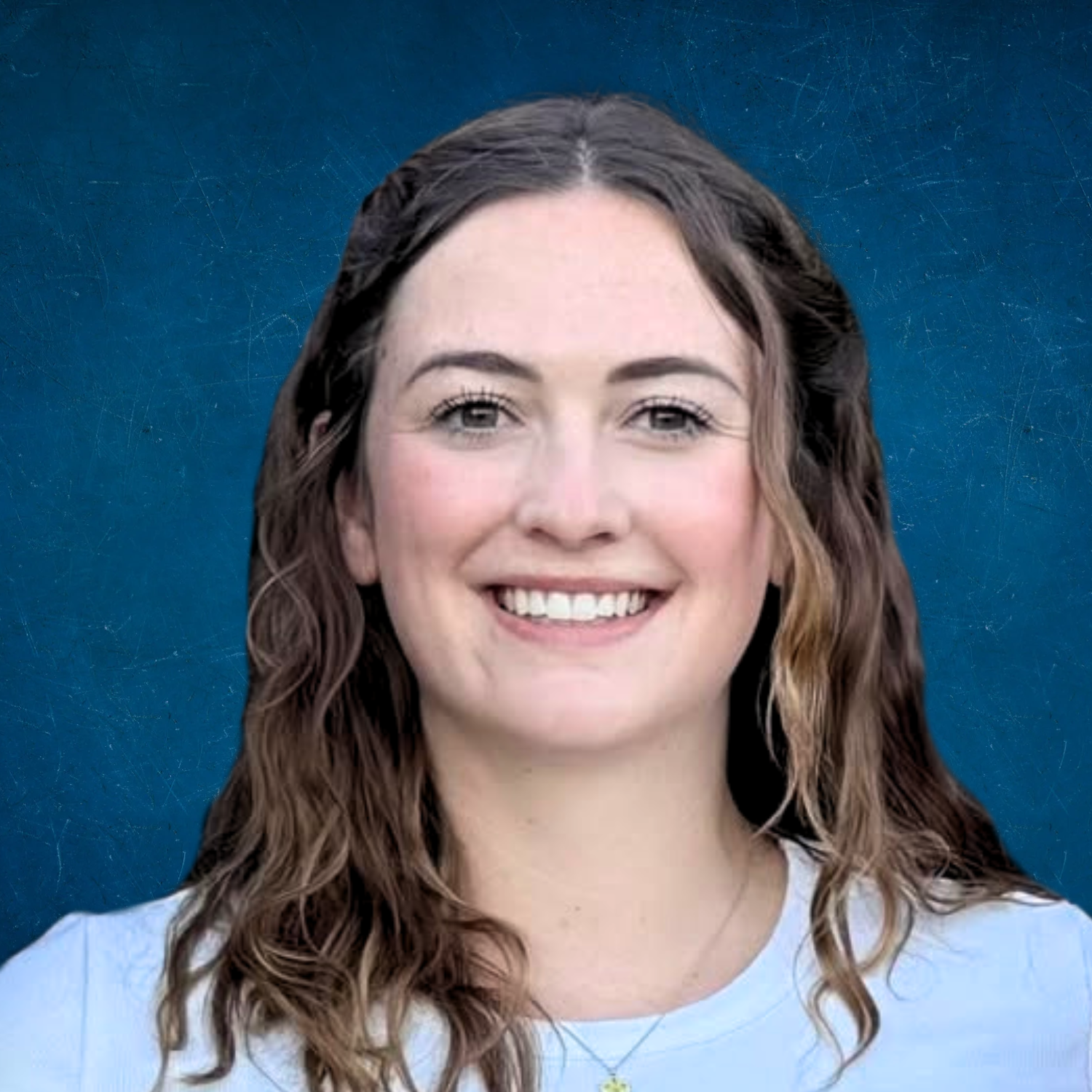
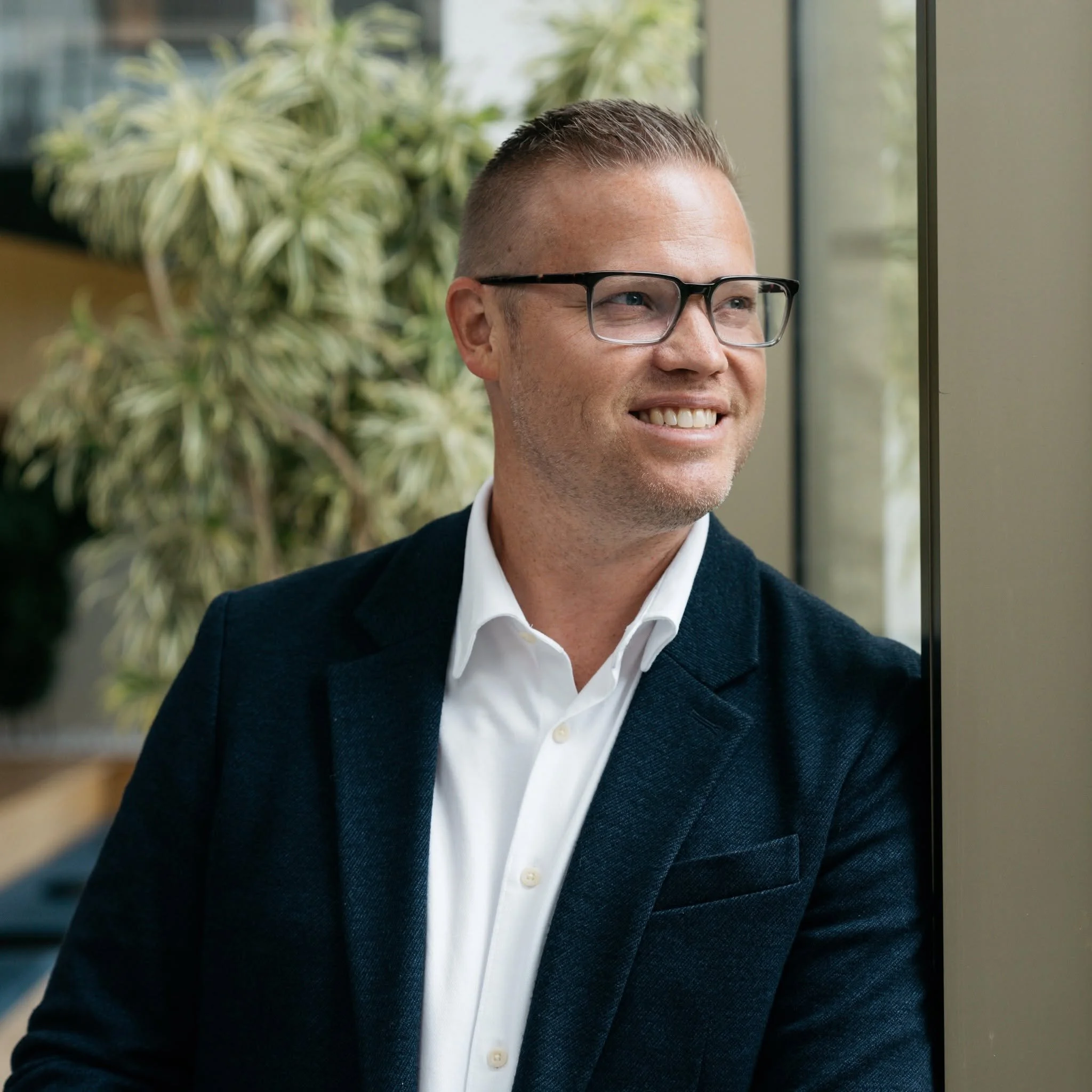

Living with cognitive changes after a brain injury can make even simple everyday tasks feel overwhelmingly difficult, especially when layered with fatigue and sensory overstimulation. Because brain injury is often invisible on the outside, this is often accompanied by feeling misunderstood. Today, we are exploring what cognition really encompasses, how brain injury alters the way we think and process information, and practical strategies to build resilience and navigate daily life.
In this episode, host Cristabelle Braden interviews Speech-Language Pathologist Allison Kase, who specializes in adult brain injury and stroke rehabilitation. Allison breaks down the core domains of cognition, including sustained and divided attention, short-term memory, and executive functioning, and explains why identifying specific areas of difficulty is the first step toward meaningful progress. Listen to discover how to navigate "impaired insight" and feelings of embarrassment, use environmental adjustments, routines, and technology as empowering tools rather than crutches, and why cognitive changes never diminish your intelligence or identity. We also talk about how caregivers, family, and loved ones can support with patience, extra processing time, and compassion.
We also feature a spotlight with Dr. Jeremy Schmoe from The Functional Neurology Center on cerebellar cognitive affective syndrome after brain injury.
🧠 In this episode:
Understanding the core domains of cognition: sustained attention, short-term memory, and executive functioning.
Why simple daily tasks become exhausting when cognitive load, sensory overstimulation, and fatigue overlap.
Navigating "impaired insight" and separating cognitive challenges from your identity and intelligence.
Practical compensatory strategies: minimizing distractions, establishing predictable routines, and using checklists, alarms, and assistive tech.
Redefining resilience by giving yourself grace on hard days, recognizing when to take breaks, and leaning on your support system.
How family and caregivers can foster independence by allowing extra processing time and treating the survivor as a person first.
Meet Our Guest
Allison Kase, M.S., CCC-SLP
Allison Kase is a certified speech-language pathologist (CCC-SLP) with five years of clinical experience working in acute care and inpatient rehabilitation settings. Her clinical specialties and areas of interest include cognitive-communication disorders, aphasia, and dysphagia in individuals with traumatic brain injuries and other acquired brain injuries.
Allison prioritizes functional, patient-centered treatment goals that are meaningful to each individual’s daily life and recovery. She particularly enjoys helping patients navigate cognitive and communication changes following brain injury, including the challenges that can impact returning to work, school, and other important roles and responsibilities.
Her approach to therapy emphasizes quality of life, functional independence, and collaboration with patients, families, and caregivers. Allison is passionate about helping individuals and their support systems better understand the effects of brain injury and developing practical strategies.
Thank you to The Functional Neurology Center for sponsoring our podcast and programs. The FNC offers personalized neuro-recovery programs for anyone going through brain injury and a wide range of neurological conditions. When you trust your brain to the team at The Functional Neurology Center, they take the time to get to know the whole you so they can personalize your recovery program for your unique and complex condition. There is hope for a better tomorrow and the FNC is committed to helping you get back to what matters most. Learn more: thefnc.com
This podcast is for education and informational purposes only, and not intended for medical advice. If you need specific medical advice, please consult your physician.
